Why Nostalgia Is Taking Over Movies and TV
Why are reboots, remakes, and nostalgic franchises dominating movies and TV today? Explore how nostalgia shapes modern entertainment, why audiences love returning to familiar stories, and how streaming platforms keep classic franchises alive.
3/6/20265 min read
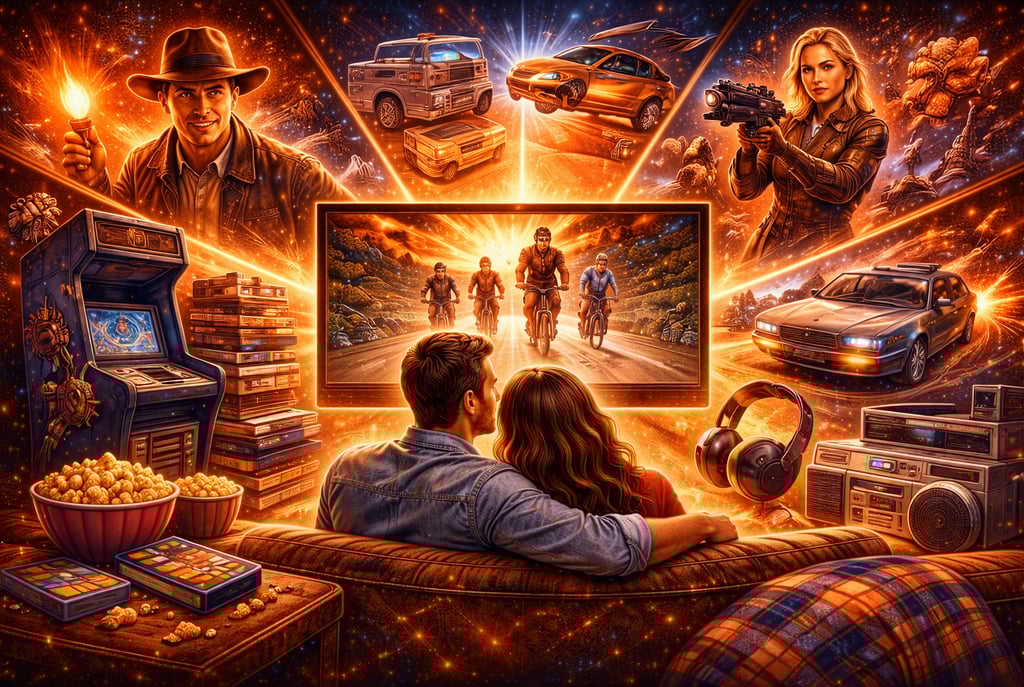
If it feels like Hollywood keeps returning to the past lately, you’re not imagining things.
Every year brings a new wave of reboots, remakes, legacy sequels, spin-offs, and “reimagined” versions of stories audiences already know.
A classic movie from the 80s suddenly gets a sequel forty years later.
A beloved TV show returns with a new cast.
A familiar franchise launches yet another chapter in a universe that already seemed finished.
At first glance, it can feel like the entertainment industry ran out of ideas.
But the real explanation is a lot more interesting.
Nostalgia has become one of the most powerful forces in modern entertainment.
Audiences love revisiting familiar worlds. Studios love investing in stories that already have built-in fan bases. Streaming platforms know that recognizable titles instantly attract attention in crowded libraries.
The result is a pop culture landscape where the past and present constantly overlap.
But nostalgia isn’t just about repeating old stories.
When it works, it deepens them.
And when it doesn’t work… well, the internet usually notices pretty quickly.
So why exactly is nostalgia everywhere right now?
Let’s take a closer look at why movies and TV shows keep returning to familiar stories—and why audiences keep showing up for them.
Nostalgia Creates Instant Emotional Connection
The biggest reason nostalgia works is simple.
People already care.
When a familiar character appears on screen again, audiences immediately remember the first time they encountered that story.
Maybe they watched the original movie as kids.
Maybe they grew up quoting lines from the show with friends. Maybe the soundtrack reminds them of a specific moment in their life.
Stories become attached to memories.
That emotional connection gives nostalgic projects a powerful advantage.
A brand-new movie has to convince viewers to care about the characters.
A nostalgic movie often begins with that connection already in place.
The audience walks into the theater—or presses play on a streaming service—already invested.
That emotional head start is incredibly valuable in an entertainment landscape filled with endless choices.
Streaming Made Nostalgia Easier Than Ever
Streaming platforms didn’t just change how we watch movies.
They changed how we remember them.
Before streaming existed, older shows and films often disappeared once their original run ended. If you missed something when it aired, you might never see it again unless it reappeared on cable years later.
Now entire libraries of entertainment history are available instantly.
You can rewatch childhood favorites, rediscover shows you forgot about, or introduce older movies to younger audiences.
That constant access keeps older stories alive.
And streaming platforms noticed something interesting.
When people rediscover an older show, they often want more of that world.
What happened to those characters later?
What would the story look like today?
That curiosity creates opportunities for new sequels, spin-offs, and reboots.
Streaming didn’t create nostalgia.
But it made it much easier for audiences to revisit—and request—stories they already love.
Familiar Stories Reduce Risk for Studios
Making movies and TV shows is expensive.
A big-budget film can cost hundreds of millions of dollars to produce and market. Even streaming series often require massive budgets.
With that kind of investment, studios prefer projects with predictable audiences.
Original stories can become huge hits.
But they’re also risky.
There’s no guarantee people will care about a completely new concept.
Established franchises reduce that uncertainty.
If audiences already recognize the title, marketing becomes easier.
A familiar name immediately communicates what kind of experience viewers can expect.
It’s not that studios dislike original ideas.
But recognizable stories feel safer financially.
And when a nostalgic project succeeds, it often succeeds in a big way.
When Nostalgia Actually Works
Of course, not every nostalgic project succeeds.
Audiences are surprisingly good at recognizing when nostalgia is being used lazily.
If a reboot simply repeats the original story without adding anything meaningful, viewers notice quickly.
The most successful nostalgia-driven projects follow a simple rule:
They respect the past while introducing something new.
Sometimes that means exploring what happened to characters years later.
Sometimes it means shifting focus to a new generation of characters.
Other times it means revisiting a familiar world but telling a completely different type of story.
When creators strike the right balance, nostalgia becomes powerful.
It feels familiar, but it also feels fresh.
And that combination keeps audiences engaged.
Nostalgia Connects Generations
Another interesting aspect of nostalgic storytelling is how it connects different generations.
Parents who grew up watching certain movies often introduce those films to their kids.
Suddenly the story becomes a shared experience across decades.
The older viewer remembers the original excitement.
The younger viewer discovers the characters for the first time.
When a new sequel or reboot arrives, both audiences can enjoy it together.
One group recognizes the references.
The other experiences the story as something new.
That cross-generational appeal helps explain why some franchises survive for decades.
They grow alongside the audience.
Social Media Turned Nostalgia Into a Conversation
The internet has made nostalgia even more powerful.
Every day, social media platforms fill with throwback clips, memes, and nostalgic discussions about older movies and TV shows.
People love sharing reminders of stories that once meant something to them.
When a reboot or sequel is announced, those memories resurface instantly.
Fans post favorite scenes. They quote iconic lines. They debate casting decisions before the new project even begins filming.
That online conversation creates momentum.
By the time the new movie or show actually releases, audiences already feel emotionally invested.
Social media doesn’t just spread nostalgia.
It amplifies it.
The Comfort of Familiar Stories
Another reason nostalgia remains popular is emotional comfort.
The world can feel chaotic.
News cycles move quickly. Technology evolves constantly. Cultural trends shift faster than ever.
In that environment, familiar stories feel reassuring.
Returning to a beloved character or fictional world creates a sense of stability.
You already understand the rules of that universe.
You already know how the characters think.
That familiarity makes the experience relaxing.
Sometimes audiences simply want to spend time with stories that feel like old friends.
Nostalgia Can Expand Stories in Interesting Ways
One of the most exciting aspects of modern nostalgic storytelling is how it expands existing worlds.
Instead of repeating the original plot, creators often explore different perspectives.
Maybe a side character becomes the central focus.
Maybe the story shifts to the next generation of heroes.
Or maybe the tone changes entirely.
A story that began as an action movie might evolve into a character-driven drama years later.
These expansions allow creators to explore deeper themes.
They can examine how time changes people.
They can revisit unresolved conflicts.
They can explore how the world itself has changed since the original story.
When handled carefully, nostalgia becomes more than repetition.
It becomes evolution.
The Risk of Nostalgia Fatigue
Of course, nostalgia has limits.
If studios rely too heavily on revisiting old stories, audiences eventually start noticing the pattern.
People still want new ideas.
They want original characters, unexpected stories, and creative risks.
When nostalgia becomes repetitive, it can feel less like celebration and more like recycling.
That’s when viewers begin asking the inevitable question:
“Did we really need another remake?”
Balancing nostalgia and originality is one of the biggest challenges facing the entertainment industry today.
Too much nostalgia feels safe but uninspired.
Too little risks losing the emotional connections audiences value.
Why Nostalgia Isn’t Going Away Anytime Soon
Despite occasional fatigue, nostalgia remains incredibly powerful.
Part of that comes from the way storytelling works.
Great stories create lasting emotional connections.
When audiences love a fictional world, they naturally want to return to it.
And as long as people feel nostalgic about the stories they grew up with, the entertainment industry will keep exploring ways to revisit them.
The key is doing it thoughtfully.
Audiences don’t mind returning to familiar stories.
They just want those stories to evolve in interesting ways.
Final Thoughts
Nostalgia isn’t simply a trend.
It’s a reflection of how stories become part of our lives.
The movies and TV shows we love often connect to memories, friendships, and moments in time.
Returning to those stories can feel like revisiting a part of ourselves.
When filmmakers approach nostalgia creatively, the results can be powerful.
They remind audiences why the original story mattered while adding something new.
And even when a reboot doesn’t quite work, the reason behind it is still clear.
People love stories that meant something to them once.
And sometimes they love them even more the second time around.