
The TV Shows Everyone Is Talking About Right Now
Discover the TV shows everyone is talking about right now and why they dominate pop culture conversations. From prestige dramas to viral streaming hits, explore the series capturing viewers’ attention across social media and streaming platforms.
3/2/20265 min read
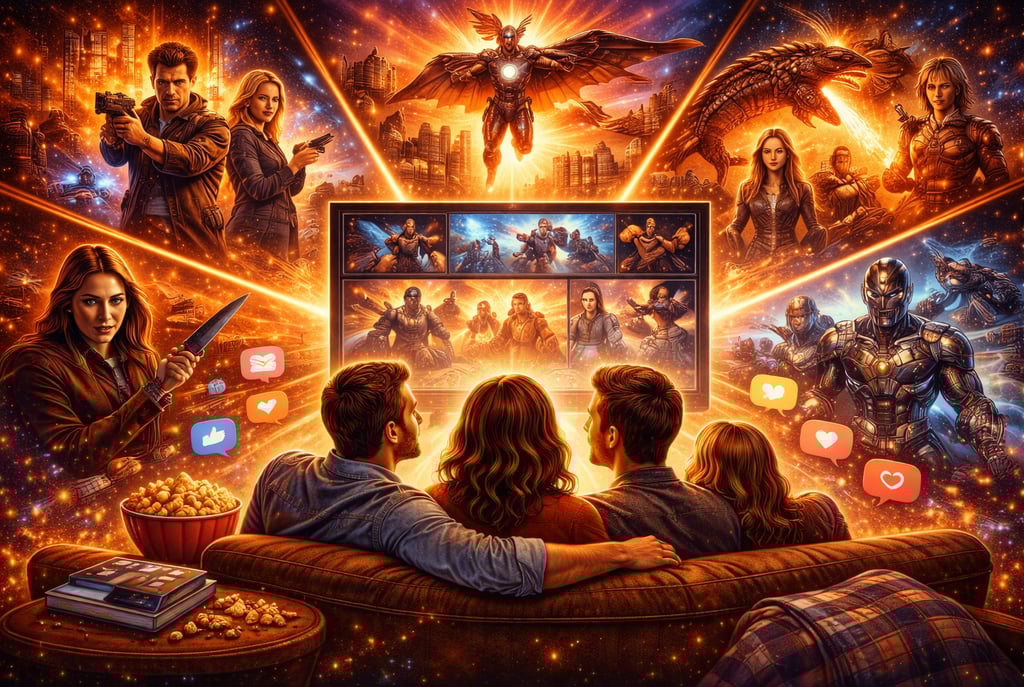
Every few months, a TV show suddenly takes over the internet.
You open social media and it’s everywhere.
Memes. Reaction videos. Plot theories. People arguing about characters like they’re real human beings who owe them explanations.
Someone casually asks, “Have you watched that show yet?” and suddenly you realize you’re the only person in your friend group who hasn’t.
That moment happens a lot more often now.
Streaming platforms release thousands of shows every year, but only a handful break through and become part of the cultural conversation.
These are the series that dominate group chats. The ones people rush home to watch before someone spoils the latest twist.
And the interesting part is that it’s not always about budget or star power.
Sometimes a show becomes popular because the writing is incredible. Sometimes the characters are so chaotic that viewers can’t stop talking about them.
And sometimes the show simply arrives at the exact moment when audiences are ready for it.
Let’s look at the types of TV shows dominating conversations right now—and why everyone suddenly seems to be watching the same thing.
The Prestige Drama Everyone Is Analyzing
There’s almost always at least one “prestige drama” dominating the conversation.
These are the shows that feel more like long movies than traditional television.
The production quality is high. The cinematography looks cinematic. The writing focuses heavily on character development and layered storytelling.
And viewers treat every episode like a puzzle.
Fans analyze dialogue, pause scenes looking for clues, and build elaborate theories about what might happen next.
If the show is well written, this kind of speculation becomes part of the fun.
Watching the episode is only the beginning.
The real entertainment continues afterward when viewers debate their interpretations online.
Some prestige dramas become cultural events for exactly this reason.
They invite audiences to participate in the storytelling experience.
The “You Have to Watch This” Viral Show
Then there are the shows that explode online because they’re completely unpredictable.
You’ve probably encountered one of these.
A friend sends you a message that says something like, “Just watch the first episode. Trust me.”
No explanation.
Just urgency.
These shows thrive on shock value, bold storytelling, and moments that generate instant reactions.
Maybe the characters are chaotic in the best possible way. Maybe the story includes twists that nobody saw coming.
Or maybe the entire premise is so strange that people feel compelled to talk about it immediately.
Social media loves shows that generate reactions.
The moment viewers start posting surprised reactions, memes, and emotional breakdowns after each episode, the series spreads rapidly.
Suddenly everyone wants to see what the chaos is about.
The Comfort Show Everyone Watches After Work
Not every popular show is intense or complicated.
Some of the most widely watched series right now are actually comfort shows.
These are the ones people put on after a long day when they want to relax instead of think too hard.
The characters are enjoyable to spend time with. The humor is easy to appreciate. The storylines move quickly without becoming emotionally exhausting.
Comfort shows might not generate massive plot theories, but they become incredibly popular because they’re reliable.
People return to them the same way they revisit favorite movies.
They’re entertaining, familiar, and consistently enjoyable.
And sometimes that’s exactly what viewers want.
The Nostalgia-Fueled Hit
Nostalgia has become one of the most powerful forces in entertainment.
Streaming platforms understand that audiences love revisiting familiar worlds.
That’s why many of the biggest TV hits today are connected to older franchises.
Some shows revive classic characters. Others expand established universes with new storylines.
When done well, nostalgia can be incredibly effective.
Fans enjoy returning to stories they already love, while new viewers discover them for the first time.
The challenge is balance.
If a reboot relies too heavily on nostalgia without offering something new, audiences notice immediately.
But when creators respect the original material while updating it for modern viewers, the result can be surprisingly successful.
That’s when nostalgia stops feeling like a marketing strategy and starts feeling like a celebration.
The Character Everyone Loves to Debate
Some shows become famous because of one character.
Not necessarily the hero.
Sometimes it’s the villain.
Sometimes it’s the morally questionable antihero who makes terrible decisions but somehow remains fascinating to watch.
These characters dominate conversation because viewers have strong opinions about them.
People argue about whether the character is misunderstood or completely irresponsible.
They debate motivations, analyze behavior, and predict what the character might do next.
This kind of debate keeps a show alive between episodes.
Even viewers who disagree about the character’s actions keep watching because they want to see how the story resolves.
And honestly, a little chaos in a character often makes the show more entertaining.
The Show With the Ending Everyone Is Arguing About
TV finales have a unique ability to start arguments.
After spending multiple seasons invested in a story, viewers develop strong expectations about how things should end.
When the finale arrives, reactions tend to fall into two categories.
Some viewers love it.
Others immediately start explaining why it ruined everything.
And when the ending is controversial, the debate spreads everywhere.
Social media fills with essays, reaction videos, and endless discussions about what the writers should have done differently.
Ironically, controversial endings sometimes keep a show relevant longer than perfect ones.
People keep talking about it.
And that conversation becomes part of the show’s legacy.
Streaming Made TV Conversations Much Bigger
One reason TV shows dominate pop culture more than ever is the way streaming platforms changed viewing habits.
In the past, shows aired weekly on traditional networks.
Conversations happened slowly.
You talked about last night’s episode with coworkers or friends the next day.
Streaming changed that dynamic completely.
Entire seasons sometimes release at once.
Viewers binge-watch episodes in a single weekend.
And social media spreads reactions instantly.
A shocking plot twist can become global trending news within minutes.
Fans post memes, reaction videos, and elaborate theories across platforms like TikTok, Reddit, YouTube, and X.
That constant conversation amplifies certain shows.
A series that generates strong reactions quickly becomes impossible to ignore.
Why People Love Talking About TV Shows
There’s a simple reason TV shows create so much discussion.
They give viewers time to connect with characters.
A movie lasts two hours.
A television series might run for dozens of hours across multiple seasons.
That extended storytelling creates emotional investment.
Viewers start caring about the characters’ decisions.
They develop opinions about relationships, motivations, and plot developments.
Watching a series can almost feel like following the lives of fictional people.
That emotional connection naturally leads to conversation.
People want to talk about the choices characters make.
They want to predict what happens next.
And sometimes they just want to share their excitement with someone else who understands the story.
What Makes a Show Go Viral
Not every great show becomes a cultural phenomenon.
Plenty of excellent series quietly appear and disappear without much attention.
For a show to truly break through, several things usually happen.
First, the characters need to be memorable.
Viewers need someone worth rooting for—or occasionally someone worth yelling at through the screen.
Second, the show needs moments that stand out.
Scenes that shock, surprise, or emotionally affect viewers spread quickly online.
And third, timing matters.
Sometimes a show arrives exactly when audiences are ready for it.
It reflects current cultural conversations or emotional moods in a way that feels unexpectedly relevant.
When those elements align, a show can quickly dominate pop culture.
Why These Shows Matter
It might seem like TV conversations are just entertainment.
But shared stories have always been part of culture.
People gather around narratives that reflect their experiences, hopes, and frustrations.
Television simply provides a modern version of that tradition.
The shows everyone talks about become cultural touchpoints.
They give people something to discuss, debate, and laugh about together.
And in a world filled with endless content, those shared experiences become surprisingly valuable.
Final Thoughts
Streaming platforms release new shows constantly.
Most appear quietly and disappear just as quickly.
But every once in a while, a series breaks through and captures everyone’s attention.
These are the shows people recommend to friends, argue about online, and binge-watch late into the night.
They remind us why television remains one of the most powerful storytelling formats.
Because when a show truly connects with audiences, the conversation around it becomes almost as entertaining as the story itself.